Action Research in Mongolia symposium
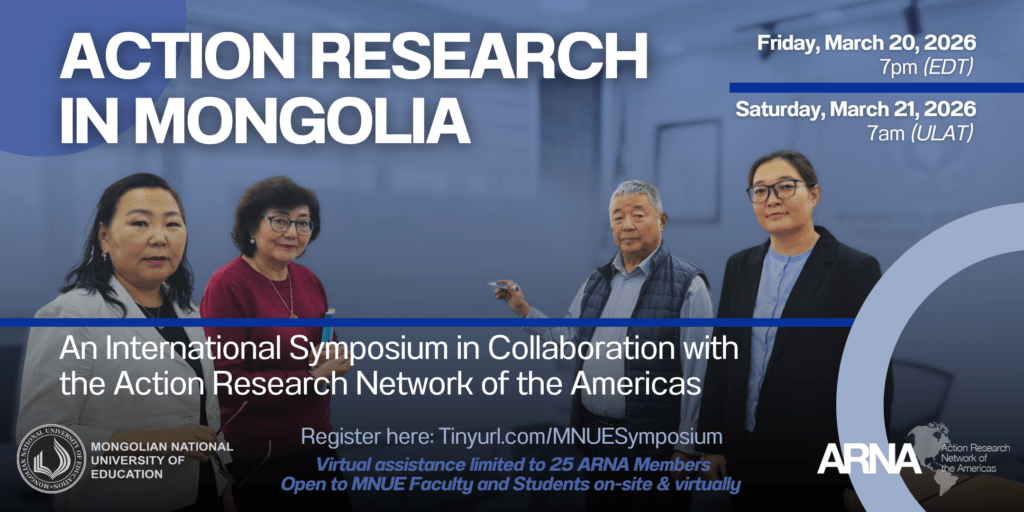
This symposium offers a rare, transformative look at the power of participatory inquiry in Mongolia, beginning with a cultural interpretation of action research by the Chair of the Mongolian National University of Education Action Research Sector. Faculty and graduate students presentations will then demonstrate how action research studies propel national pedagogical and community growth.
ARNA Members Register here: tinyurl.com/MNUESymposium
Symposium Leaders:
- Professor, Academician Jadamba Badrakh, PhD
- Professor Batdelger Jamsrandorj, PhD
- Associate Professor Baigalmaa Chultem, PhD
- Javzandulam Batsaikhan, PhD
Symposium Presenters:
- Bayarmaa Badarch, Doctoral Student
- Amarzaya Ulziisaikhan, Doctoral Student
- Professor Candace Kaye
- CHA NA, PhD
- Enkhbayar Lkhagva, Doctoral Student
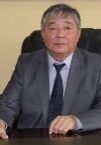
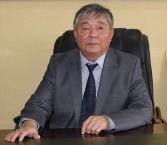
Abstract
The Mongolians are a people with a long-standing tradition of prioritizing the study of “action” (üil). This cultural wisdom is fundamentally encapsulated in the folk proverb: “Judge a person not by their words, but by their deeds (üil).”
In the contemporary era, however, the field of “action studies” is being expanded without due consideration of a foundational question: What exactly did our ancestors perceive “action” to be that warranted such profound scrutiny? This oversight diminishes the philosophical value of the field, leading the public to view it merely as a niche interest of researchers.
This study aims to clarify and define the indigenous Mongolian understanding of “action.” Adopting a deconstructive method within a holistic (unified world) approach, the research analyzes three core pillars: the theoretical propositions of Mongolian linguists, traditional proverbs, and the “Three Categories of the World” (Yertöntsiin Gurav).
The research identifies that the Mongolian concept of “action” is structured through three philosophical frameworks:
From the Perspective of Arga (Method/Means): Action is seen as the primordial origin, cause, and state of phenomena. It represents the collective bond of existence, the self-actualizing law, and the “fixing process” (togtokh üil).
From the Perspective of Arga-Bilig (Duality/Complementarity): Action is the unity of origin and relation, cause and condition. It represents the oneness where the process and the entity are inseparable, encompassing logic, natural law (jam yos), and the inherent order of existence.
From the Perspective of Bilig (Wisdom/Intuition): Action is identified as the interconnectedness, manifestation, and the ultimate essence of how things become “fixed” or real.
Abstract
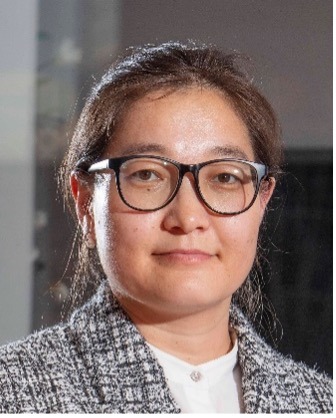
Action research is a form of qualitative inquiry with strong practical significance, in which researchers identify problems emerging from real teaching and learning activities and classroom practices, and systematically explore ways to address these problems through reflective and cyclical processes. In teacher education, action research serves as an effective approach for linking theory with practice and fostering reflective professional learning.
The aim of this study is to analyze the purpose and intended learning outcomes of the Action Research course, as well as to examine the quality of undergraduate students’ action research projects implemented within this course at the School of Preschool Education, Mongolian National University of Education (MNUE). The study focuses on action research projects completed by a total of 43 fourth-year undergraduate students.
Using document analysis as the primary research method, students’ written research projects were systematically evaluated based on established action research criteria. These criteria included the formulation of research problems and research questions, the quality of the literature review, methods of data collection, analysis of empirical data, presentation of findings and results, conclusions, recommendations, and re-planning as a key structural element of the action research cycle.
The study aims to identify the strengths demonstrated by undergraduate students in conducting action research, as well as to clarify areas that require further pedagogical support and methodological improvement in future instruction. The findings are expected to contribute to the enhancement of action research pedagogy in teacher education programs and to inform the further development of practice-oriented research competencies among pre-service preschool teachers.

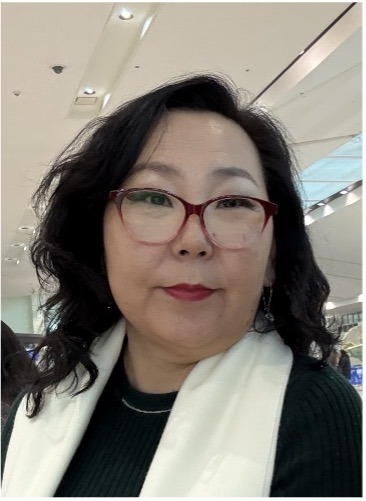
Abstract
Amid Mongolia’s socio-economic transition, the integration of action research has emerged as a key direction of educational reform. Educational action research, initiated at the Mongolian National University of Education (MNUE), has been implemented for nearly three decades.
In 2014, MNUE introduced comprehensive reforms across all levels of its academic programs, including the development of an elective action research course within the bachelor’s curriculum in education studies, which has been offered for more than a decade.
At the master’s level, action research is embedded in compulsory coursework on pedagogy, where teaching is examined through action research approaches. At the doctoral level, students are offered action research as an elective course.
Through engagement in these programs, students develop essential research competencies, including problem identification, research planning, data collection, qualitative and quantitative data analysis, reflective practice, and conceptualization.
Graduates who complete these courses actively address pressing challenges in preschool, primary, secondary, and higher education in Mongolia, and successfully defend bachelor’s theses, master’s theses, and doctoral dissertations that contribute to evidence-based educational improvement.
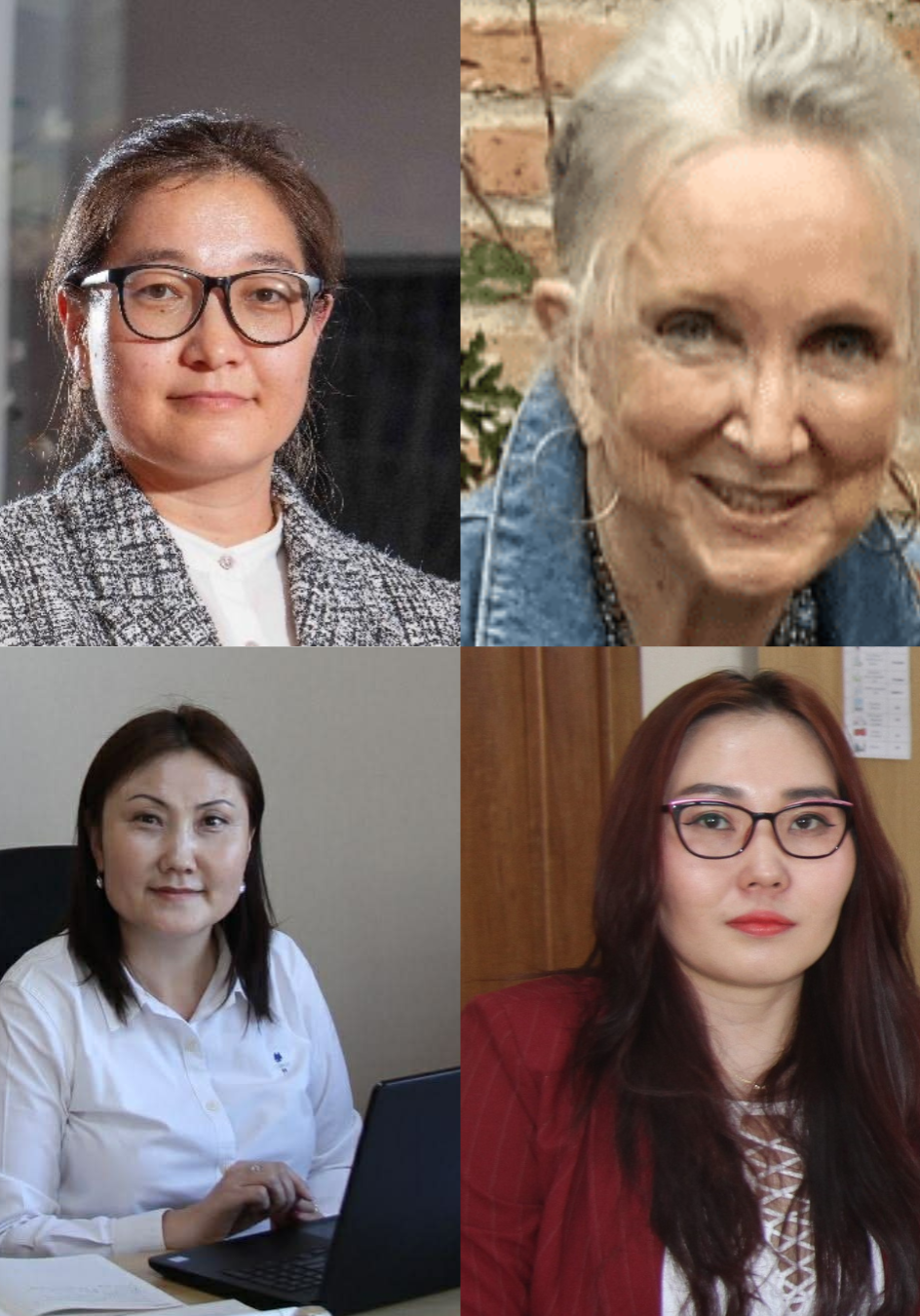


Abstract
This study presents experiences from implementing participatory action research (PAR) in a public preschool setting in Ulaanbaatar, Mongolia, with a particular focus on environmental sustainability education in marginalized ger district communities.
The study was conducted from 2022 to 2025 at Public Kindergarten No. 167 and involved preschool children aged two to five, their parents, teachers, and local community stakeholders. Guided by the cyclical action research process of planning, action, observation, and reflection, the research aimed to address local environmental challenges while simultaneously enhancing children’s cognitive, social, and emotional development.
The study demonstrates that action research in preschool education can serve as a methodological and pedagogical approach for addressing real-world challenges, fostering reflective practice among educators, empowering parents, and supporting young children’s holistic development.
The findings suggest that context-responsive, participatory action research contributes not only to improved educational practices but also to sustainable community transformation, offering a transferable model for early childhood education in similarly marginalized urban settings.

STUDY ON THE DEVELOPMENT METHODS OF TEACHERS IN THE TEACHING PROCESS
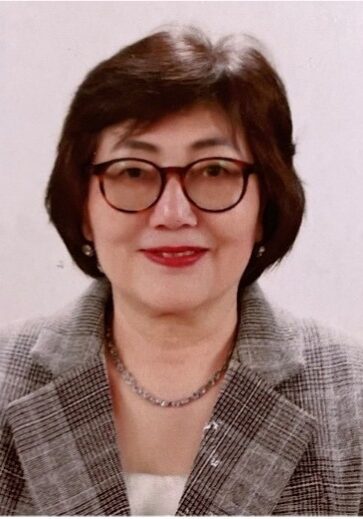
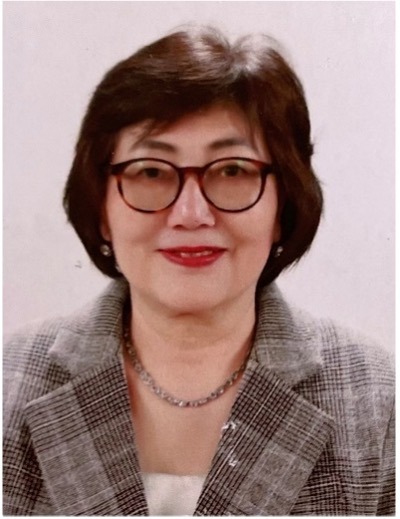
CHA NA, English Teacher, Ulanqab School; PhD

Abstract
English, as a dominant global medium of communication, positions tertiary English teachers’ professional development (PD) as a critical issue in the context of ongoing higher education reforms. While existing studies on teacher PD have largely focused on formal training programs and policy-driven initiatives, there remains a lack of in-depth exploration of how teachers develop professionally through their everyday teaching practices.
In particular, insufficient attention has been paid to the methodologies that support practice-based PD, the internal mechanisms that drive teacher growth, and the dynamic relationships among teachers’ beliefs, reflective practices, and professional collaboration.
To address these gaps, this qualitative study investigates the long-term professional development trajectory of a tertiary English teacher through a workplace-based lens. Conducted between 2019 and 2025, the study adopts a multi-method qualitative research design that integrates case study, narrative inquiry, and action research.
The researcher-teacher serves as both participant and analyst, enabling an in-depth examination of lived teaching experiences, reflective cycles, pedagogical decision-making, and collaborative interactions within the institutional context.

Abstract
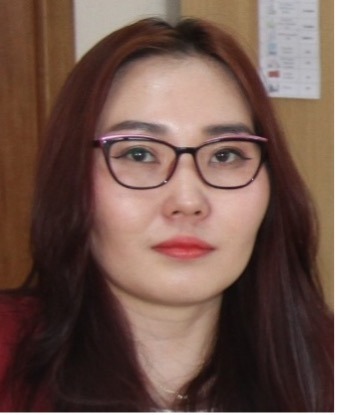
This study explores the teacher-researcher’s perceptions of implementing a Process-Genre Model (PGM) to support the development of opinion essay writing skills among Mongolian EFL university students. Drawing on established Process-Genre Approach (PGA) models, the PGM was designed to integrate multi-level scaffolding—context, text/paragraph, grammar, vocabulary, and mechanics—with the stages of planning, drafting, revising, and editing.
Using an action research design, the teacher-researcher implemented a 64-hour writing course based on the PGM. Data were collected through classroom observations and a reflective research journal, and analyzed thematically.
Findings revealed that the staged structure of the PGM—modeling and deconstructing, joint construction, and independent construction—was effective in fostering students’ contextual, organizational, and linguistic knowledge. Students engaged actively in analyzing model essays, benefited from collaborative planning and drafting, and demonstrated growing autonomy in independent writing.
At the same time, the teacher-researcher noted persistent challenges, including difficulties with deconstructing complex texts, uneven peer participation, and limited ability to integrate and punctuate evidence such as quotations and statistics.
The study concludes that the PGM offers a practical and context-sensitive framework for improving opinion essay writing in Mongolian EFL classrooms. Recommendations include providing explicit training in evidence use and feedback skills, as well as designing group tasks with clear roles to ensure balanced participation.